
Case Studies:
New Vision for Employee Wellness
The Challenge:
Sarah, the Head of Corporate Sustainability Manager, at a major utility company, was facing a familiar challenge. Her team’s annual wellness initiatives, while well-intentioned, often felt disconnected from the company’s ambitious Environmental, Social, and Governance (ESG) goals. The typical yoga classes and lunch seminars were good, but they lacked a tangible, visible commitment to sustainability that resonated with the employees. Sarah wanted something more than a perk; she wanted to create a new, living focal point for their corporate culture.
The Discovery:
During a team brainstorming session on sustainable office improvements, a junior employee mentioned seeing an article about on-site vertical farms. Intrigued, Sarah researched VF@RM. The website showcased sleek, automated farms that could be integrated directly into office spaces. The concept of growing fresh, organic produce in the workplace as a way to engage employees, provide a healthy food source, and visibly reduce the company’s carbon footprint was a perfect fit for their ESG and wellness objectives. It was a single solution that addressed multiple goals.
The Solution:
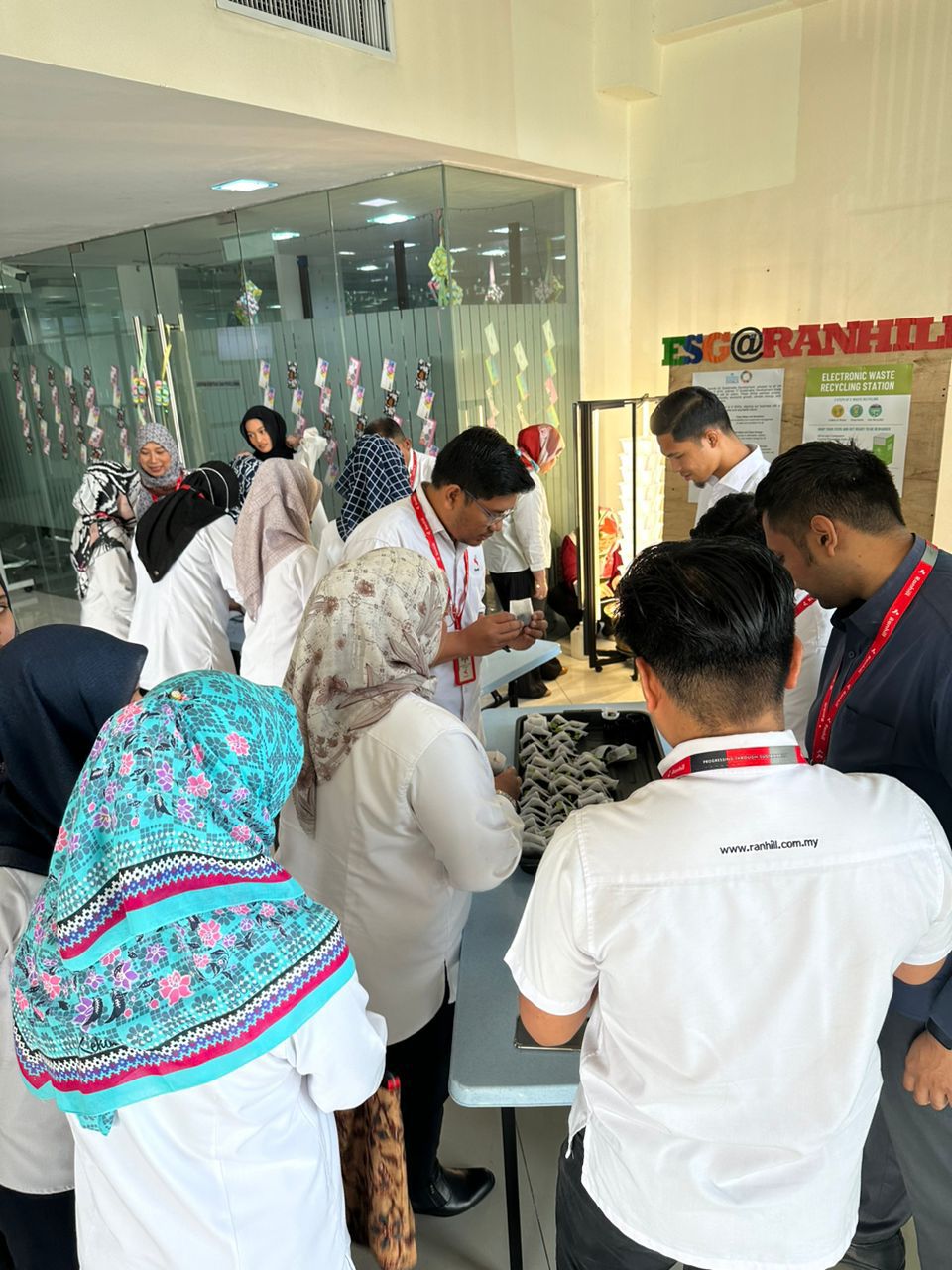
After a seamless consultation process, VF@RM designed a custom installation for the company’s main cafeteria. It was a beautiful, filmed-enclosed vertical farm that glowed with vibrant green light, turning a previously empty corner into a centerpiece. The VF@RM team handled everything, from installation to the initial planting of herbs and leafy greens. They even provided educational workshops for employees on everything from basic plant care to healthy eating.
The Outcome:
The vertical farming system VGROW HEXA became an instant sensation. Employees loved seeing the produce grow and were excited to harvest greens for their lunch. The space became a quiet sanctuary for some and a point of pride for many. The company’s internal surveys showed a noticeable increase in employee satisfaction and engagement, with many citing the farm as a key reason for feeling a deeper connection to the company’s values. The farm not only provided fresh produce but also served as a daily, visible reminder of their shared commitment to a more sustainable future.



Case Studies:
CSR a Learning Garden
The Challenge:
The tech company that David, the Director of Corporate Relations, worked for had a generous CSR budget, but their impact often felt fleeting. They would donate money to a local school, which was appreciated, but the impact was often unseen and difficult to measure. David wanted a project that would create a lasting legacy and provide a direct, hands-on benefit to students and the community. He was looking for a program that would not just provide funding, but truly empower and educate.
The Discovery:
David’s team discovered VF@RM’s community partnership program. The idea of sponsoring a vertical farm for a local school was immediately compelling. It was a tangible asset, a living classroom that could teach children about science, nutrition, and sustainability in a way that textbooks couldn’t. It provided a clear, measurable outcome for their CSR investment and offered a unique way to build a positive brand association with the community.
The Solution:
VF@RM collaborated with the school’s faculty to install a state-of-the-art vertical farming system VGROW HEXA in the school’s classroom. The students were involved from the start, helping to plant seeds and learn about hydroponics and nutrient cycles. The project was integrated into the science and home economics curriculums, with older students managing the farm’s data and younger students learning about different plants and flavors.
The Outcome:
The vertical farming program became the heart of the school. It was a source of endless fascination for students and a valuable teaching tool for teachers. The produce was used in the school cafeteria, allowing students to eat the healthy vegetables they had helped grow. The school’s reputation grew within the community, and the tech company earned significant positive press and goodwill. The project proved that corporate responsibility could be about more than just a donation—it could be about building a lasting, educational foundation for the future.
Case Studies:
B40 Community’s Harvest
The Challenge:
For Maria, a community leader, the struggle was always the same: food insecurity. In her B40 community, access to fresh, healthy produce was limited and expensive. The local market had limited options, and the food was often past its prime. This lack of access contributed to poor health outcomes and a sense of hopelessness. Maria had tried community gardens before, but they required significant land, water, and labor, and were often difficult to sustain. She needed a solution that was efficient, scalable, and could truly serve her neighbors.
The Discovery:
A local urban farming initiative connected Maria with VF@RM. She was skeptical at first, but when she learned that a vertical farm could grow up to 95% more produce with 95% less water than traditional farming in a fraction of the space, her skepticism turned to excitement. The VF@RM model was built for a shared, community-managed approach, with a low-maintenance, automated system that was easy to learn.
The Solution:
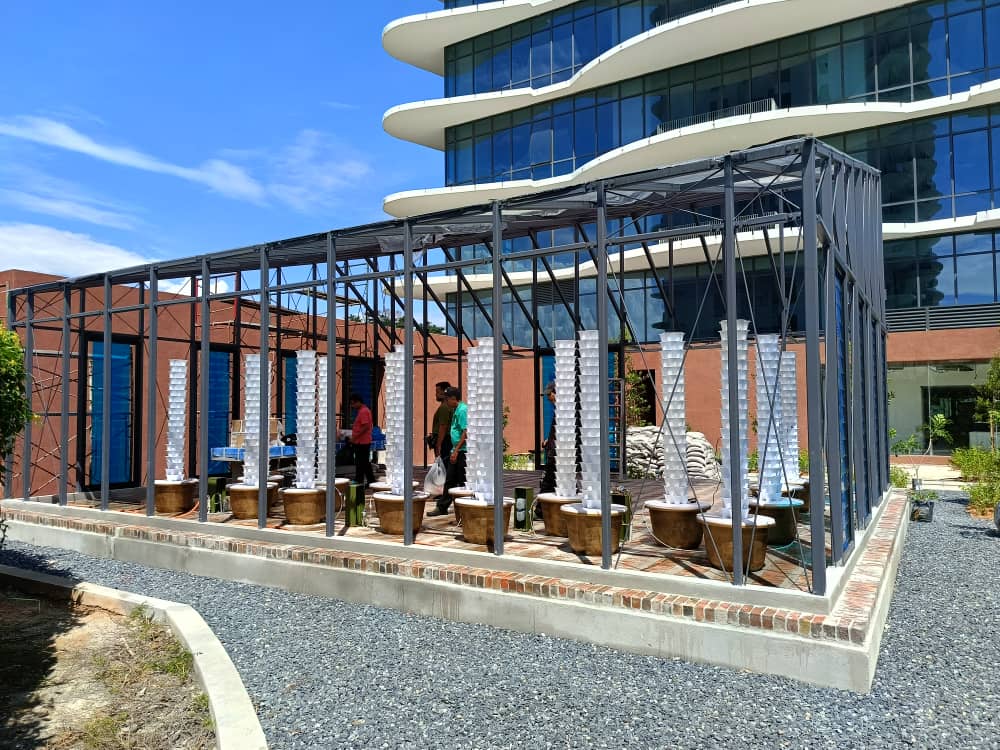
Working together, they secured a small, unused plot of land and installed a multi-unit VGROW Commercial System. VF@RM provided all the equipment and, most importantly, a comprehensive training program. Maria and a team of community volunteers learned how to manage the system, harvest the crops, and distribute the fresh produce. The farm provided a steady supply of lettuce, kale, and various herbs. They sold the surplus at a small, on-site market at an affordable price, creating a small source of income for the community managers.
The Outcome:
The vertical farm became a beacon of hope. It was a physical symbol of the community’s self-reliance. Residents had a reliable source of nutritious food, and the sense of shared ownership empowered everyone involved. The project did more than just provide food; it fostered a stronger, healthier, and more resilient community, proving that even in a small space, a big change could take root.


Case Studies:
High End + Zero Mile Menu
The Challenge:
Chef Antoine was a perfectionist. As the head chef of a five-star hotel’s flagship restaurant, he was renowned for his dedication to the absolute freshest ingredients. But even with the best suppliers, the journey from farm to plate could take days, leading to a subtle loss of flavor and texture, particularly in delicate herbs and microgreens. Antoine knew that true luxury was in the details, and he was determined to find a way to serve produce that was literally “just harvested.” He wanted to offer an experience that was not just unique, but also impossible to replicate.
The Discovery:
One of his line cooks, a younger chef with an interest in sustainable food, showed him a video about VF@RM’s projects. The idea of a zero-mile food supply chain—where a plant is harvested just moments before it is served—spoke directly to Antoine’s culinary philosophy. He saw the potential not just for improved flavor but as a powerful marketing tool that would elevate the restaurant’s entire brand.
The Solution:
VF@RM worked with the hotel’s design team to create a stunning, custom-built vertical farm. It was a beautiful glass and steel structure, seamlessly integrated into a visible corner of the lobby. It became a living work of art, a testament to the hotel’s commitment to innovation and sustainability. The farm was dedicated to growing high-value, fast-growing ingredients like microgreens, edible flowers, and unique herbs that Antoine’s kitchen used daily. The hotel’s staff was trained by VF@RM on the simple process of harvesting, ensuring a perfect supply for every service.
The Outcome:
The “Living Menu” became a talking point for every guest. The concierge would offer tours of the farm, and guests loved seeing the ingredients for their meals growing right before their eyes. The hotel’s marketing team used the farm as a core element of their branding, attracting eco-conscious travelers and food critics alike. For Chef Antoine, it was the ultimate tool, providing an unparalleled level of freshness and creativity that solidified his restaurant’s reputation as a leader in culinary excellence. The vertical farm was no longer just a source of food; it was a core part of the guest experience.