
Sustainability with Hydroponic Systems
Sustainability with Hydroponic Systems
When we think about farming, we often picture vast green fields under the open sky. However, a modern approach is proving to be far more efficient and sustainable. Indoor farming, powered by advanced hydroponic systems, is changing the way we produce food. Let’s take a head-to-head look at how VF@RM’s innovative systems compare to traditional farming, specifically focusing on crop yields and environmental sustainability.
Yields Per Square Meter
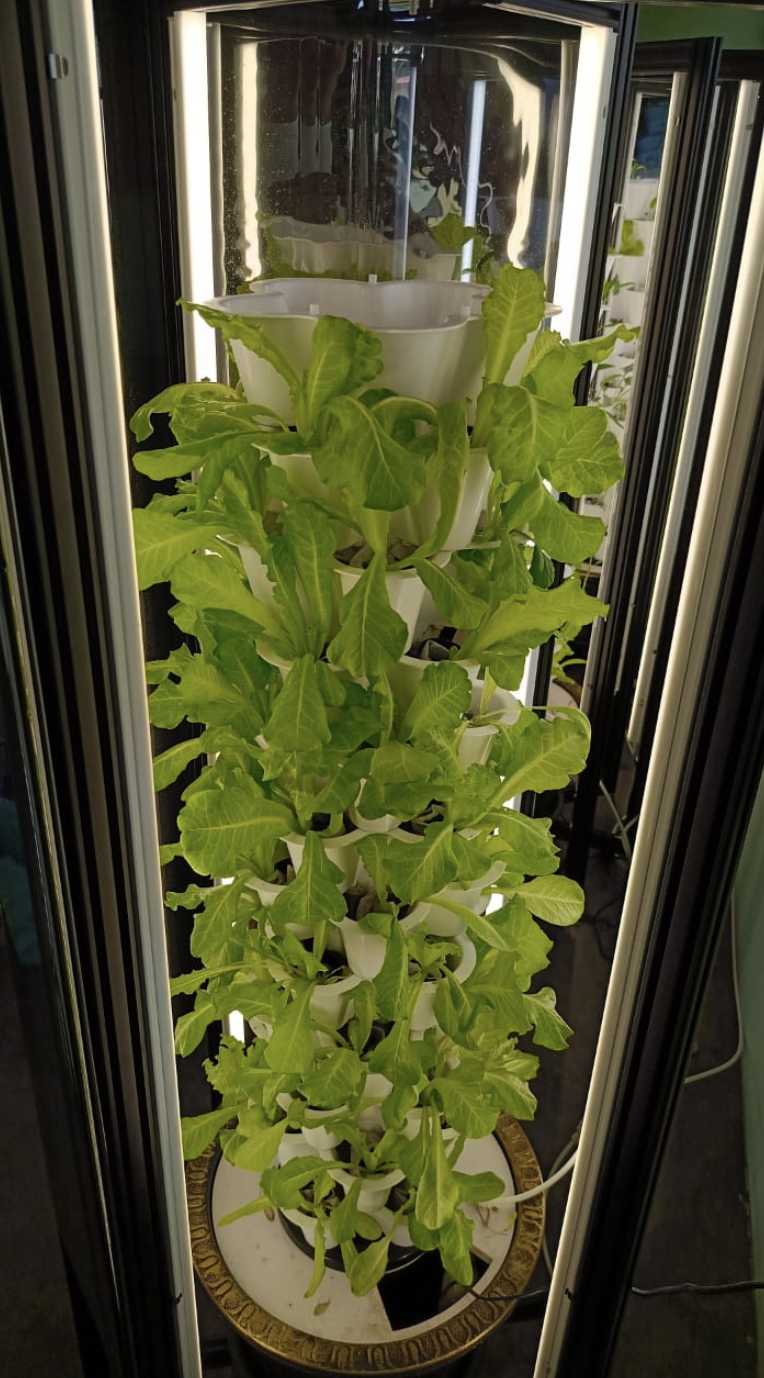
Traditional farming uses a horizontal model that limits how much we can grow in a given area. Yields often depend on soil quality and single-season harvests. In stark contrast, VF@RM’s vertical farming approach grows plants in vertically stacked layers. This allows us to produce significantly more crops per square meter. A small VF@RM system can produce as much as a large traditional farm plot, making it a far more efficient way to use space.
Water Usage
Traditional farming uses immense quantities of water, and a large portion is lost to evaporation or runoff. On the other hand, VF@RM’s hydroponic systems recirculate water in a closed loop. Plants take up only the water they need, and the rest returns to the system. Consequently, our method uses up to 95% less water, which is a game-changer for sustainable agriculture and water conservation.
Pesticide & Chemical Use
Outdoor farming exposes crops to a constant risk of pests and diseases. Therefore, farmers often rely on chemical pesticides and herbicides to protect their harvest. Meanwhile, we grow VF@RM produce in a completely sealed, indoor environment. This eliminates the need for any chemical sprays, and as a result, we give you genuinely clean and healthy pesticide-free food.
Climate & Consistency
Outdoor yields are completely dependent on the weather. A drought can destroy crops, while a flood can wash them away. This makes a traditional food supply unpredictable and vulnerable. However, VF@RM’s hydroponic systems operate in a climate-controlled environment. This gives us the power to grow crops consistently, all year round, regardless of external weather. This reliability ensures a stable food source and a more resilient business model.
Land & Resource Impact
Traditional farming often requires clearing vast tracts of land, which can lead to deforestation and soil erosion. Conversely, urban agriculture reclaims unused indoor spaces like warehouses or rooftops. By moving food production into urban areas, we free up valuable land for reforestation and other green initiatives.
In conclusion, VF@RM’s hydroponic systems offer a clear advantage in both yields and sustainability. We can produce more food, with fewer resources, and in a way that is better for our planet.
#VFRM #VerticalFarmingBenefits #HydroponicSystems #SustainableAgriculture #PesticideFreeFood #UrbanAgriculture #FutureOfFoodMY #HighYieldFarming #GoGreenMY #AgriTechMalaysia
Ready to explore the most efficient and sustainable way to farm?
Get in touch with us on WhatsApp for a personalized guide to our solutions!